DDGS Grades Visual Guide: Grade 1 to Grade 5 Color Comparison
February 18, 2025
We created this guide to help you navigate the nuances of US-origin DDGS so you can optimize your feed costs. As a leading exporter to India, we know that DDGS (Distillers Dried Grains with Solubles) quality varies by color—from bright golden-yellow to dark coffee brown. Color reflects processing conditions, solubles ratio, and potential heat damage, which directly impacts lysine digestibility (over 65% for Grade 1–2 in swine), amino acid availability, and optimal use by species. All grades should meet under 12% moisture to prevent heating during the 35–45 day transit—use our Tonnage Calculator to estimate shipping volumes. This guide aligns with Indian poultry industry requirements and FSSAI norms for imported feed materials.
DDGS Grades: Technical Comparison (E-A-T Reference)
Expert reference for L* lightness, primary benefit, and recommended species by grade. Use this table when specifying quality requirements or comparing shipments.
| Grade | L* Value (Lightness) | Primary Benefit | Recommended Species |
|---|---|---|---|
| Grade 1 | > 55 | Max Lysine & Xanthophylls | Poultry, Aquaculture |
| Grade 2 | 50 – 55 | High Amino Acid Availability | Broilers, Layers |
| Grade 3 | 45 – 50 | Balanced Protein/Energy | Dairy, Swine |
| Grade 4 | 40 – 45 | High Fat & Phosphorus (Syrup) | Finishing Beef Cattle |
| Grade 5 | < 40 | Low-Cost Energy Source | Ruminants (Maintenance) |
DDGS Grade Spectrum: Quick Visual Reference
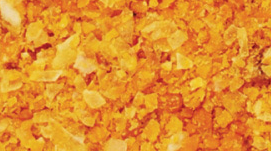
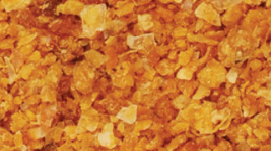
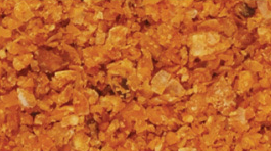
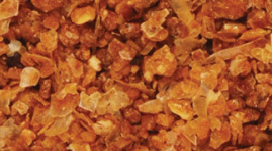
From bright golden-yellow (Grade 1) to dark coffee (Grade 5)—color indicates processing quality and optimal use by species.
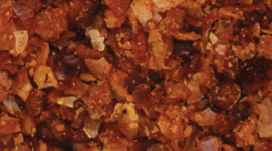
Comparing Grade 1 vs Grade 2 DDGS for High-Performance Feed
Visual Shift
Grade 1 is bright golden-yellow; Grade 2 is slightly more "honey" or deep yellow.
Key Fact
Grade 1 typically has the highest lysine digestibility and xanthophyll levels. In our experience with the Indian poultry market, buyers specifically look for this golden hue to maintain yolk consistency.
Comparison Point
Grade 1 is the "gold standard" for poultry and aquaculture where color and amino acid availability are critical. Grade 2 is nearly identical in energy but may have slightly higher inclusion of solubles.
Comparing Grade 2 vs Grade 3 DDGS: Specialty to Commodity Transition
Visual Shift
Grade 2 is deep yellow; Grade 3 moves into a "toasted" amber or light tan.
Key Fact
This transition often marks the shift from a "specialty" color-guaranteed product to a standard commodity DDGS.
Comparison Point
Grade 3 is highly efficient for dairy and beef cattle. It maintains a high crude protein level (27%–30%) but is generally more cost-effective for large-scale ruminant feeding than Grade 1.
Comparing Grade 3 vs Grade 4 DDGS: Energy and Syrup Content
Visual Shift
Grade 3 is amber; Grade 4 is a noticeable medium brown.
Key Fact
The darkening in Grade 4 is often due to a higher ratio of Condensed Distillers Solubles (CDS/Syrup) added back to the grains.
Comparison Point
While Grade 4 is darker, it often has higher Crude Fat (10%+), Phosphorus, and Potassium because of the syrup. It is excellent for "finishing" beef cattle who need high energy density.
Comparing Grade 4 vs Grade 5 DDGS: Heat Damage Indicators
Visual Shift
Grade 4 is brown; Grade 5 is dark brown or "coffee" colored.
Key Fact
Grade 5 is often an indicator of the Maillard Reaction (heat damage) from over-drying, which can bind proteins and make them less digestible for non-ruminants.
Comparison Point
Grade 4 is a high-value feed for ruminants. Grade 5 should be tested for L color values*; if it is dark due to heat rather than just syrup, its value for swine and poultry drops significantly because the amino acids are no longer bioavailable.
Why DDGS Color Matters for Feed Formulation
The color of DDGS is a practical indicator of quality. Bright golden-yellow (Grade 1) typically signals minimal heat damage, high lysine digestibility (over 65% for swine), and excellent xanthophyll levels—ideal for poultry and aquaculture where amino acid availability is critical. As color darkens through Grades 2–5, the product may have higher solubles inclusion (CDS/syrup), which boosts fat and minerals, or it may indicate over-drying and Maillard reaction —heat damage that binds proteins and reduces digestibility for non-ruminants. Ruminants (dairy, beef) can often utilize darker grades effectively, while swine and poultry require lighter, higher-quality DDGS. Note: This guide refers to Full Fat DDGS (8–10% oil); many plants also produce Low Fat (oil-extracted) DDGS with ~5–6% fat—specify when ordering.
L* Color Values and Lab Testing for DDGS Quality
For precise quality assurance, request L* color values (CIE L*a*b* scale) from your supplier. L* measures lightness on a 0–100 scale; higher values indicate lighter, less heat-damaged DDGS. Grade 1 typically has L* above 55; Grade 5 may fall below 40. Research shows that when L* falls between 28–34, amino acid availability and metabolizable energy decline significantly. When importing DDGS from the USA to India, specify color guarantees in your contract and run periodic lab checks on incoming shipments to ensure consistency. For background on how DDGS is produced, see our dry milling process guide. Centura Agro works with US ethanol plants that maintain strict drying and quality control standards.
DDGS Grades: Frequently Asked Questions
How does the inclusion of solubles affect DDGS color?
Condensed Distillers Solubles (CDS) or syrup added back to dried grains darkens DDGS. Higher CDS inclusion produces a deeper amber or brown color (often Grade 3–4) and increases fat, phosphorus, and potassium. This darkening from syrup is different from heat damage—syrup-darkened DDGS remains highly valuable for ruminants. Request L* values and ADIN to distinguish syrup darkening from Maillard reaction heat damage.
What is the ideal L* value for swine feed?
For swine, target L* above 50–55 (Grade 1–2 range). Research from University of Minnesota and USDA shows that when L* falls below 45, lysine digestibility and metabolizable energy decline significantly. Grade 1 DDGS with L* >55 typically delivers over 65% standardized ileal digestibility of lysine for pigs. Specify L* guarantees when ordering DDGS for swine diets.
Does darker DDGS always mean lower quality?
Not always. Darker color can result from (1) higher CDS/syrup inclusion, which adds fat and minerals—valuable for ruminants—or (2) heat damage (Maillard reaction), which reduces amino acid digestibility for poultry and swine. Request L* color values and acid detergent insoluble nitrogen (ADIN) to distinguish between the two.
What is the best DDGS grade for dairy cows?
Grade 3 and Grade 4 DDGS are highly cost-effective for dairy cattle. They maintain 27–30% crude protein and are more economical than Grade 1 for large-scale ruminant feeding. Grade 4, with higher syrup content, offers additional energy and phosphorus for milk production.
Why is moisture below 12% important for DDGS shipped from USA to India?
Moisture above 12% increases the risk of heating, mold, and caking during the 35–45 day ocean transit. All grades should meet under 12% moisture to ensure stability. Centura Agro sources from US plants with strict moisture control for Indian port delivery.
Are these grades Full Fat or Low Fat (oil-extracted) DDGS?
This guide refers primarily to Full Fat DDGS (8–10% fat). Many modern US ethanol plants extract corn oil (DCO), producing Low Fat DDGS with ~5–6% fat. Specify Full Fat vs. Low Fat when ordering—energy density and inclusion rates differ significantly.
DDGS Grades: Technical Comparison (E-A-T Reference)
Expert reference for L* lightness, primary benefit, and recommended species by grade. Use this table when specifying quality requirements or comparing shipments.
| Grade | L* Value (Lightness) | Primary Benefit | Recommended Species |
|---|---|---|---|
| Grade 1 | > 55 | Max Lysine & Xanthophylls | Poultry, Aquaculture |
| Grade 2 | 50 – 55 | High Amino Acid Availability | Broilers, Layers |
| Grade 3 | 45 – 50 | Balanced Protein/Energy | Dairy, Swine |
| Grade 4 | 40 – 45 | High Fat & Phosphorus (Syrup) | Finishing Beef Cattle |
| Grade 5 | < 40 | Low-Cost Energy Source | Ruminants (Maintenance) |
Authoritative References
- Feeding value and energy prediction of DDGS (lysine, swine) — University of Minnesota Extension
- Amino acid digestibility of heat damaged DDGS (Maillard reaction) — Journal of Animal Science and Biotechnology
- CIE L*a*b* color space — Standard for L* lightness measurement in feed quality
Centura Agro
Our interactive tools (including the Centura Agro-Trade & Logistics Converter and Tonnage Calculator) are powered by the trade expertise of Centura Worldwide, which works directly with US farmers and ethanol plants. Built by real industry players, not AI bots.
Related Product: DDGS
Need a specific L* color value or grade guarantee for your shipment? Request a Custom Quote for Grade 1 DDGS or specify your preferred grade. Centura Agro supplies US-origin DDGS (27–30% protein) with consistent quality specifications for Indian ports.